
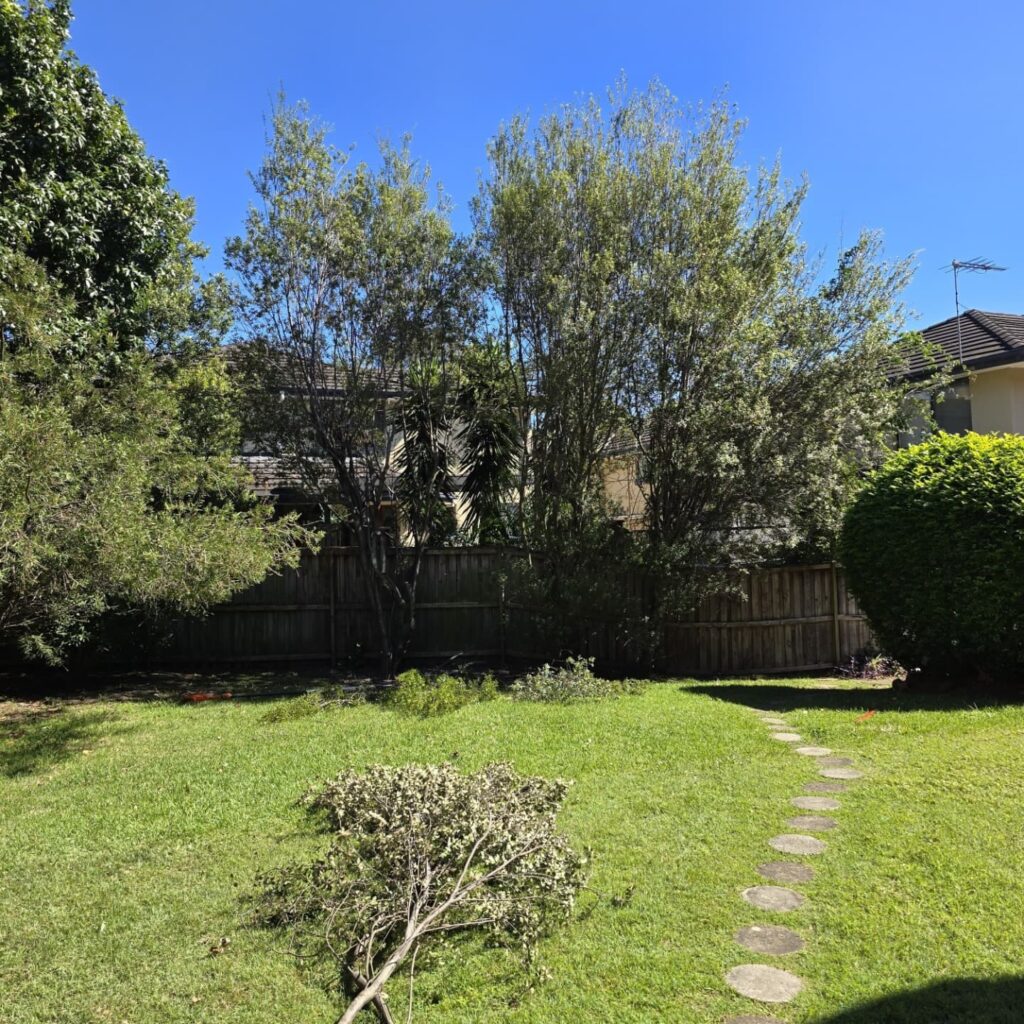
When is the Best Time for Tree Pruning in NSW?
Late winter to early spring is the ideal time for tree pruning in NSW. This period, typically from July to September, aligns with the dormant phase of most trees. Pruning during this time provides maximum benefits with minimal stress to the plant.
Advantages of Pruning During Dormant Period
Pruning during the dormant period has several advantages:
- Deciduous trees have lost their leaves, making it easier to see the branch structure
- Arborists can identify crossing branches, weak limbs, and structural issues that are not visible during the growing season
- Trees pruned during late winter will use their energy reserves to heal wounds and produce healthy new shoots when temperatures rise
- Cuts heal faster and the risk of disease transmission is significantly reduced
These benefits highlight why pruning your trees during the dormant season is a widely recommended practice.
Benefits of Early Spring Pruning in NSW
Early spring pruning in NSW has specific benefits:
- Pest and disease activity is low in cooler temperatures
- Sap flow hasn’t reached its peak in most species
- Trees can immediately direct energy towards new growth
- Wounds seal before harmful pathogens active in warmer months arrive
Variations in Timing Across NSW
The best time for tree pruning varies slightly across different climate zones in NSW:
- Coastal regions may start this window earlier
- Higher elevation areas like the Blue Mountains or Southern Highlands may need to wait until late August or early September when the risk of frost decreases
Recommendations from Professional Arborists
Professional arborists in NSW recommend avoiding pruning during active growth periods (mid-spring through summer) and throughout autumn, as these are the seasons when tree pruning pricing is typically higher due to increased demand and greater stress on the trees. During these times, fresh cuts may struggle to heal properly before winter dormancy begins, which can also drive up long-term maintenance costs. However, if you must prune apple trees, it’s advisable to schedule the work in late winter, when tree pruning pricing is more cost-efficient, growth is stronger, and fruit yield potential is maximized—creating a better return on your investment.
How Does Tree Species Influence the Best Pruning Time?
Tree species determines the optimal pruning window because different plants have unique growth cycles, sap flow patterns, and flowering schedules. Understanding species-specific pruning NSW requirements prevents damage and maximises tree health.
Deciduous Trees Pruning
Deciduous trees pruning follows a straightforward schedule since these trees lose their leaves seasonally. Most deciduous varieties thrive when pruned during late winter or early spring whilst they remain dormant. This timing allows clear visibility of branch structure and minimises stress. Fruit trees like apples, pears, and stone fruits respond particularly well to dormant period pruning, producing stronger growth and better fruit yields.
Evergreen Species Considerations
Evergreen species require different considerations. Native Australian eucalypts tolerate pruning year-round but respond best to late spring or summer trimming after their main growth flush. Conifers should be pruned in late winter before new growth emerges, avoiding autumn when cuts heal slowly.
Flowering Trees Pruning
Flowering trees pruning demands attention to bloom timing:
- Spring-flowering species (magnolias, flowering cherries, wisteria) must be pruned immediately after flowering ends
- Summer-flowering varieties (crepe myrtles, jacarandas) benefit from late winter pruning before buds break
- Native flowering trees like bottlebrush and grevillea can be lightly shaped after flowering
Sap-Bleeding Species Challenges
Sap-bleeding species present unique challenges. Maples, birches, and elms release excessive sap when pruned during dormancy. These trees require pruning in late spring or early summer after leaves have fully emerged, when sap pressure decreases. The tree pruning NSW schedule for these varieties differs significantly from standard recommendations.
Palm Trees Pruning
Palm trees follow tropical growth patterns. The best time for tree pruning palms falls between late spring and summer when growth is most active. Dead fronds can be removed year-round without harming the plant.
Citrus Trees Pruning
Citrus trees across NSW regions need species-specific pruning NSW timing based on harvest schedules. Coastal varieties are typically pruned in late winter, whilst northern NSW citrus benefits from post-harvest pruning in early spring.
When Should Flowering Trees Be Pruned?
The timing for pruning flowering trees in New South Wales (NSW) depends entirely on when they produce their blooms.
Spring Flowering Trees
Spring flowering trees should be pruned immediately after their flowers fade, typically in late spring, to preserve next season’s flower buds. These trees set their buds on old wood during summer and autumn, meaning late winter pruning would remove the very branches destined to flower.
Examples of Spring Flowering Trees:
- Jacaranda
- Magnolia
- Cherry blossom
- Wisteria
- Azalea
- Camellia
Summer/Autumn Flowering Trees
Summer and autumn flowering trees follow a different schedule for tree pruning in NSW. These varieties produce blooms on new growth, making late winter pruning the best time for tree pruning to encourage vigorous spring growth that will carry flowers later in the season. Pruning during the dormant period allows these trees to channel energy into fresh shoots.
Examples of Summer/Autumn Flowering Trees:
- Crepe myrtle
- Hibiscus
- Oleander
- Bottlebrush
- Grevillea
The distinction between these two groups is critical when determining the best time for tree pruning in NSW. Mistiming can result in a full year without blooms, as you’ll have removed either the bud-bearing wood or prevented the tree from developing new flowering shoots. Early spring pruning works well for summer bloomers, whilst spring flowering trees require patience until their display concludes.
Some flowering trees in NSW exhibit flexibility in their pruning schedules. Natives like bottlebrush can tolerate light shaping throughout the year, though heavy structural pruning still benefits from late winter timing. Citrus trees, whilst not traditionally ornamental flowering trees, follow similar principles—pruning after harvest in late winter or early spring promotes healthy fruit production whilst maintaining tree shape.
Why Is Autumn Generally Not Recommended for Tree Pruning in NSW?
Autumn pruning poses significant risks because it stimulates new growth that won’t have sufficient time to harden before winter arrives. When you prune during this season, trees respond by producing tender shoots that remain vulnerable to frost damage and cold stress throughout the cooler months. This is particularly concerning given frost’s impact on flowering trees, which can lead to severe consequences for the tree’s health.
The timing creates a biological mismatch between the tree’s natural preparation for dormancy and the artificial stimulation from pruning cuts. Trees naturally redirect their energy reserves to roots during autumn, preparing for winter survival. Pruning disrupts this process by triggering the tree to allocate resources toward new growth instead of strengthening existing structures.
Specific risks of autumn tree pruning in NSW include:
- Frost susceptibility: New growth lacks the protective bark layer needed to withstand temperature drops, making them more susceptible to early frost which can be detrimental.
- Disease vulnerability: Fresh wounds remain open longer in cooler temperatures, creating entry points for pathogens
- Reduced winter hardiness: Trees enter winter in a weakened state without proper dormancy preparation
- Dieback potential: Tender shoots often die back completely, wasting the tree’s stored energy reserves
The slower healing rates during autumn compound these problems. Tree wounds seal more slowly in cooler weather compared to the rapid callus formation that occurs during active growing seasons. This extended healing period increases exposure to fungal infections and pest infestations that thrive in NSW’s mild autumn conditions.
Deciduous trees face particular challenges with autumn tree pruning risks NSW arborists frequently observe. These species have already begun withdrawing nutrients from their leaves back into woody tissues. Pruning forces them to reverse this process, depleting energy stores they need for winter survival and spring regrowth.
The risk of winter damage from autumn pruning extends beyond immediate frost injury. Trees that produce autumn growth often experience structural weakness in those branches, making them more prone to breakage under winter winds or the occasional snow events that affect elevated areas of NSW. This creates both safety hazards and long-term structural problems that compromise the tree’s form and stability.
What Are the Key Pruning Techniques to Use Regardless of Timing?
Proper tree pruning techniques remain essential whether you’re working during the best time for tree pruning or addressing emergency situations. The three-cut method prevents bark tearing on larger branches: make an undercut 30-45cm from the trunk, a top cut slightly further out to remove the branch, then a final cut at the branch collar.
Dead branch removal should always prioritise cuts at the branch collar—the slightly swollen area where the branch meets the trunk. Cutting flush against the trunk damages the tree’s natural defence mechanisms, whilst leaving stubs invites decay and pest infestation.
Essential Cutting Principles
- Cut at a 45-degree angle just above an outward-facing bud to direct new growth away from the tree’s centre
- Maintain clean, sharp tools to create smooth cuts that heal faster
- Remove no more than 25-30% of a tree’s canopy in a single session
- Make cuts that slope away from buds to prevent water accumulation
Structural integrity tree care requires identifying and removing crossing branches, water sprouts, and suckers that compete for nutrients. These weak growth patterns compromise the tree’s architecture regardless of whether you’re performing dormant period pruning or addressing storm damage.
Targeting Problem Areas
The “4 Ds” rule applies year-round: remove anything dead, diseased, damaged, or dangerous. Diseased wood requires immediate attention—sterilise tools between cuts using methylated spirits to prevent pathogen spread. When performing late winter pruning or early spring pruning, inspect for cankers, fungal growth, and insect galleries that indicate compromised wood.
Crown thinning improves air circulation and light penetration by selectively removing branches throughout the canopy. This technique reduces wind resistance and disease pressure whilst maintaining the tree’s natural shape—critical for tree pruning success during any season.
How Do Local Climate Conditions Affect Tree Pruning Schedules in NSW?
NSW’s diverse climate zones significantly alter the optimal timing for tree pruning across different regions. Coastal areas experience milder winters and higher humidity compared to inland regions, which means late winter pruning in Sydney might occur in July, whilst western NSW areas like Dubbo may safely prune into early August without risk of frost damage to fresh cuts.
The state’s regional differences in NSW tree care require careful consideration of local frost patterns. Areas prone to late frosts, such as the Southern Tablelands and Central West, benefit from delaying dormant period pruning until the worst frost risk has passed. Pruning too early in these regions can expose fresh wounds to freezing temperatures, compromising wound healing and leaving trees vulnerable to disease.
Coastal vs Inland Timing Variations:
- Coastal regions (Sydney, Newcastle, Wollongong): Begin late winter pruning from late June through August
- Tablelands (Armidale, Orange, Bathurst): Wait until mid-to-late August for safer early spring pruning NSW
- Western NSW (Dubbo, Wagga Wagga): Target late August to early September to avoid late frost damage
- Northern NSW (Byron Bay, Lismore): Earlier pruning from June is suitable due to subtropical conditions
Rainfall patterns also influence when is the best time for tree pruning in NSW. Regions experiencing wet winters should avoid pruning during prolonged rainy periods, as moisture promotes fungal infections in fresh cuts. The Hunter Valley and North Coast areas often delay tree pruning NSW activities until drier late winter windows appear.
Temperature fluctuations between day and night affect wound closure rates. Inland areas with extreme temperature swings may see slower healing compared to temperate coastal zones, making the best time for tree pruning slightly later in these locations to ensure warmer ambient temperatures support rapid callus formation.
Microclimates within urban areas create additional complexity. Sydney’s western suburbs experience hotter, drier conditions than eastern coastal suburbs, allowing for extended pruning windows. Trees in sheltered courtyards or north-facing positions may tolerate earlier pruning than exposed specimens in the same suburb.
Drought conditions across NSW require adjusting.
Conclusion
When is the Best Time for Tree Pruning in NSW? Late winter to early spring emerges as the optimal window for most species, aligning with dormancy periods that minimise stress and maximise recovery. This timing allows trees to channel energy into vigorous spring growth whilst reducing disease susceptibility.
The answer isn’t universal. Flowering trees demand post-bloom attention, sap-bleeding species require late spring intervention, and palms thrive with summer pruning. Understanding your specific tree’s biology transforms pruning from a calendar task into a strategic health intervention.
Healthy tree maintenance NSW requires more than knowing dates. Climate variations across coastal, inland, and alpine regions shift these windows by weeks. A tree in Sydney’s humid coastal environment responds differently than one in Dubbo’s dry plains, making local observation essential.
Three principles guide successful pruning regardless of species:
- Prune during the tree’s natural dormancy or recovery phase
- Avoid autumn cuts that stimulate vulnerable late-season growth
- Match technique to species-specific needs rather than following generic schedules
The investment in proper timing pays dividends through decades of structural integrity, abundant flowering, and disease resistance. Trees pruned at the wrong moment may survive but rarely thrive, developing weak growth patterns that compound over years.
Professional arborists assess individual trees rather than applying blanket rules. Factors like recent storm damage, pest pressure, or construction impact may necessitate pruning outside ideal windows. When urgent intervention conflicts with optimal timing, skilled technique becomes even more critical.
Your NSW trees deserve timing that respects their natural rhythms whilst accommodating regional climate realities. The calendar provides guidance, but observation of your specific trees—their budding patterns, flowering cycles, and local weather—delivers precision.
Learn more about How Much Does Professional Garden Waste Removal Cost in Sydney?