
What Is Tree Stump Grinding and Why Is It Important After Storms?
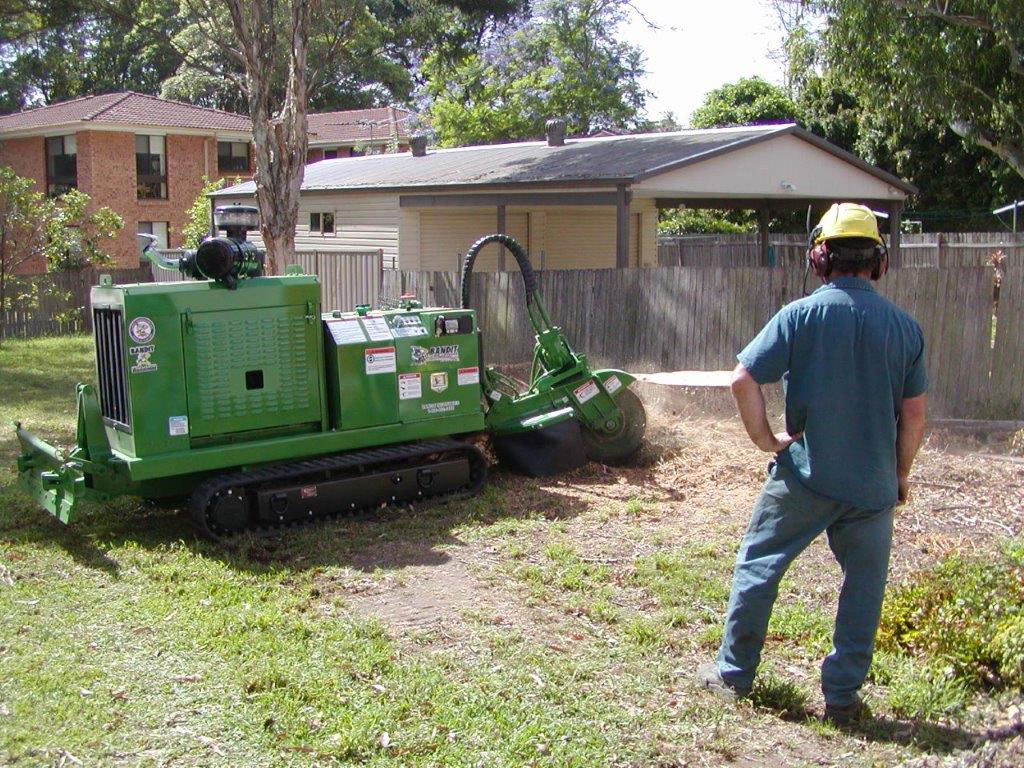
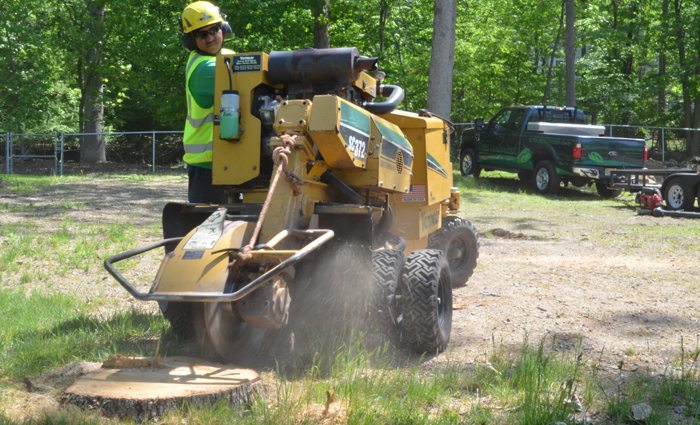
Tree stump grinding is a process that involves using specialized machinery to remove the visible part of a tree stump and its root crown. This machine chips the wood into mulch, making it easier to dispose of or repurpose. A professional-grade stump grinder has a rotating cutting disc with carbide teeth that grinds the stump 15-30 centimetres below ground level, turning solid wood into fine wood chips.
Why Is Tree Stump Grinding Important After Storms?
After a storm, there are several reasons why tree stump grinding is important:
- Safety: Protruding stumps can be tripping hazards in public spaces and private gardens. By grinding them down, we can make these areas safer for everyone.
- Maintenance: Hidden root systems can interfere with lawn maintenance equipment, making it difficult to keep the grass looking neat and tidy. Removing the stumps ensures that lawn care tasks can be carried out without any obstacles.
- Pest Control: If left untreated, tree stumps can become breeding grounds for wood-boring insects and fungal diseases. These pests can then spread to healthy nearby trees, causing further damage. Grinding the stumps helps prevent this from happening.
- Aesthetics: Stumps can be unsightly and disrupt the overall appearance of a landscape. Grinding them down restores the visual appeal of the area.
- Space for New Growth: When we grind down tree stumps, we create space for new plants or trees to grow. This is especially important if we want to establish new greenery in the same location as the old stump.
How Does Tree Stump Grinding Help Restore Landscapes?
Storm damage cleanup requires quick action to restore both function and appearance to affected areas. Stumps can obstruct views, take up valuable planting space, and serve as constant reminders of destruction.
By grinding down these stumps, we eliminate these eyesores while also reclaiming square footage for new landscape features such as:
- Pathways
- Garden beds
- Outdoor seating areas
The Environmental Benefits of Tree Stump Grinding
In addition to its practical benefits, tree stump grinding also has positive environmental impacts:
- Soil Enrichment: When tree stumps are ground down, they decompose naturally within the soil over time. This process enriches the soil with organic matter, improving its quality and fertility.
- Pest Control: As mentioned earlier, grinding stumps helps prevent wood-boring insects and fungal diseases from spreading to healthy trees.
- Mulching: The resulting wood chips from stump grinding can be used as natural mulch around newly planted trees or shrubs. Mulch helps retain moisture in the soil and suppresses weed growth.
When Is Tree Stump Grinding Necessary?
Tree stump grinding proves essential in various situations:
- Establishing new trees in the same location
- Installing hardscaping features like patios or retaining walls
- Expanding lawn areas for recreational use
- Creating accessible pathways through previously wooded sections
By addressing these needs through professional tree stump grinding services, we contribute not only to immediate recovery efforts but also long-term sustainability goals within our landscapes.
The Symbolism of Renewal in Post-Storm Landscapes
Tree stump grinding represents more than just a practical solution; it embodies hope and renewal after devastation caused by storms.
The act itself signifies taking control over nature’s course while respecting its processes—transforming destruction into nourishment rather than creating obstacles for future growth.
This circular approach sets the stage for vigorous regrowth—demonstrating nature’s capacity for regeneration when supported by thoughtful management practices.
In summary, understanding what tree stump grinding entails—and why it holds significance following storms—empowers us as stewards of our environments—promoting safety enhancing aesthetics restoring ecosystems fostering resilience against climate challenges ahead!
How Do Storms Affect Trees and Landscapes?
Storm damage to trees can take many destructive forms that harm both individual trees and larger natural areas. Strong winds can break branches, uproot mature trees, and leave behind jagged stumps where once healthy plants stood. These visible injuries are just a small part of the damage done to green spaces.
Common types of storm damage include:
- Crown breakage where major limbs fracture under wind pressure
- Complete uprooting exposing root systems to air and pathogens
- Trunk splitting from lightning strikes or structural failure
- Bark stripping caused by flying debris
The impact of storms is particularly evident in urban forests in the weeks following severe weather events. Trees that survive often show signs of distress with yellowing leaves as their vascular systems struggle to transport nutrients through damaged tissue. Branch dieback spreads from injured areas, creating dead zones within the canopy that attract wood-boring insects and fungal infections.
Moreover, the weakened state of storm-affected vegetation leads to further health problems. Injuries become entry points for pathogens that healthy bark would usually keep out. Stressed trees focus their energy on survival instead of defending themselves, making them easy targets for opportunistic diseases. Damage to roots reduces the tree’s ability to absorb water, leaving them vulnerable to drought stress even during normal rainfall periods. This weakened condition can last for years, affecting how plants recover in entire neighbourhoods and parks.
In addition to these immediate effects, storms can also have long-term consequences on the overall health and stability of tree populations.
What Role Does Stump Grinding Play in Ecological Recovery?
Stump grinding plays a crucial role in ecological recovery by speeding up the process of natural succession. It does this by removing obstacles that hinder vegetation management after a storm and creating space for new plant communities to grow.
How Stump Grinding Helps Ecological Recovery
When stumps are left in the landscape, they take up valuable soil space and compete with emerging seedlings for nutrients and water. This disrupts the natural progression from pioneer species to mature forest ecosystems.
The removal process directly supports ecological recovery through several mechanisms:
- Eliminates disease reservoirs: Fungi and pathogens accumulate in decaying wood, which can spread diseases to healthy plants. By grinding stumps, these disease reservoirs are eliminated, reducing the risk of infection.
- Prevents pest infestations: Dead stumps can become breeding grounds for wood-boring beetles and termites, which can cause significant damage to trees. Stump grinding prevents these pests from establishing populations and protects surrounding vegetation.
- Returns organic matter: The mulch produced from grinding stumps is rich in organic matter, which is beneficial for soil health. It enriches nutrient availability and promotes microbial activity, creating a favourable environment for plant growth.
- Creates planting zones: When stumps are removed, it creates open areas where new plants can be established without competition from tree roots or physical barriers.
Integration with Comprehensive Recovery Strategies
Grinding stumps works best when combined with other recovery strategies. Here are some examples:
- Pruning damaged branches on surviving trees: This helps reduce stress on the tree and redirects energy towards healing.
- Clearing areas from stump removal: These cleared spaces become ideal sites for replanting resilient species that are adapted to local storm patterns.
This coordinated approach mimics natural disturbance-recovery cycles while also managing specific risks such as invasive species colonisation or soil erosion.
Benefits of Ground Wood Chips
The ground wood chips produced during stump grinding have additional benefits:
- Suppressing weeds: The mulch created from the wood chips acts as a barrier against weed growth, preventing them from competing with recovering vegetation.
- Improving soil structure: Over time, the wood chips decompose and contribute to the formation of healthy soil structure. This supports the establishment of diverse plant communities, which are essential for long-term ecosystem health.
Why Is Tree Stump Grinding Considered a Symbol of Renewal?
Tree stump grinding is seen as a symbol of renewal because it physically removes the remnants of damaged or fallen trees, making way for new growth. This action is similar to nature’s cycles of regeneration, where decay and removal come before new life.
More Than Just a Function
The process means more than just its practical purpose. When communities see stumps being ground down after storms, they witness a visible change—the landscape clears away obstacles that once took up space. This physical transformation has an emotional impact, providing a metaphor for resilience that parallels human experiences of loss and recovery. Just as the grinding wheel breaks down a stump into mulch that can nourish future plantings, people find solace in witnessing tangible progress after destruction.
Overcoming Challenges
The aftermath of a storm serves as a powerful metaphor for overcoming difficulties. The fallen tree represents the challenges faced, while the grinding process symbolizes taking active steps towards healing. Property owners who opt for stump grinding are not merely getting rid of an unsightly sight; they are actively participating in nature’s renewal, consciously choosing to embrace change rather than leaving scars visible. This process is often part of broader community recovery efforts that aim to restore both the physical environment and the emotional wellbeing of residents.
Healing Spaces
This connection between restoring the physical landscape and renewing emotions explains why many consider post-storm recovery work to be therapeutic. The area where a stump once stood becomes an empty canvas—a space filled with potential for native wildflowers, young saplings, or garden beds. Tree Stump Grinding and the Symbolism of Renewal in Post-Storm Landscapes reflects this dual nature: practical restoration efforts that also satisfy the human need for hope and progress.
How Can Proper Post-Storm Landscape Management Support Long-Term Resilience?
Effective landscape management strategies require integrating stump grinding with comprehensive pruning of damaged branches. This combined approach removes both visible and hidden threats—whilst grinding eliminates stumps that harbour pests and diseases, strategic pruning prevents weakened branches from failing during future weather events. The two practices work in tandem to create a stable foundation for recovery.
Resilient planting choices determine how well landscapes withstand subsequent storms. Native species with deep root systems and flexible trunks naturally resist wind damage better than shallow-rooted ornamentals. Species like oaks, hawthorns, and field maples demonstrate proven storm tolerance in UK climates. Planting diverse species at varying heights creates structural redundancy—if one tree fails, others maintain the landscape’s integrity.
The benefits extend beyond individual properties to entire ecosystems. Garden restoration that prioritises native plants supports pollinator populations, improves soil stability, and enhances water absorption during heavy rainfall. These ecological improvements reduce flooding risks and create healthier urban environments.
Community well-being flourishes when residents witness tangible recovery progress. Well-managed landscapes provide psychological comfort, offering green spaces for gathering and reflection. The visible transformation from storm-damaged sites to thriving gardens reinforces collective resilience, demonstrating that careful stewardship yields lasting results that protect both people and nature.
Incorporating native plant communities into our landscaping efforts not only promotes biodiversity but also strengthens our landscapes against future adversities.
What Are the Broader Implications of Renewal Symbolism in Post-Storm Environments?
Landscape renewal transforms physical spaces into powerful narratives of resilience that unite communities around shared experiences of recovery. When residents witness cleared stumps giving way to fresh plantings, these visible changes become collective markers of progress that foster social cohesion and mutual support.
Communities integrate reflective practices into restoration efforts through memorial gardens, commemorative plantings, and public art installations that honour both what was lost and what emerges. These spaces serve as gathering points where neighbours share storm experiences, creating bonds strengthened by adversity. Local councils often organise community planting days where residents actively participate in renewal, transforming passive observers into engaged stewards of their environment.
The storytelling symbolism embedded in post-storm landscapes shapes how people process trauma and envision futures. When community leaders frame restoration as chapters in an ongoing narrative—from destruction through recovery to growth—they provide psychological frameworks for understanding hardship as temporary rather than permanent. Local media coverage highlighting replanted areas and ground stumps reinforces messages of hope after storms, reminding residents that nature’s cycles mirror human capacity for renewal.
Public spaces displaying clear signs of recovery generate measurable psychological benefits. Studies reveal that viewing restored landscapes reduces stress hormones whilst increasing feelings of optimism and community pride. Children playing near newly planted trees where stumps once stood internalise lessons about persistence and transformation, carrying these metaphors into their own approaches to life’s challenges.
Conclusion
Tree stump grinding benefits extend far beyond practical landscape management—they embody the profound connection between physical restoration and emotional renewal. When communities witness the transformation of storm-damaged spaces through grinding stumps and replanting, they participate in a tangible expression of renewal after storms that reinforces collective resilience.
The cyclical nature of destruction and regrowth teaches us that disruption creates opportunities for stronger, more diverse ecosystems. By embracing landscape resilience through proper stump removal and thoughtful replanting, we acknowledge that endings are inseparable from new beginnings.
Ready to transform your storm-damaged landscape? Contact professional arborists who understand that tree stump grinding represents more than clearing debris—it’s an investment in your property’s future and a powerful symbol of nature’s enduring capacity for regeneration.
Learn about: Stump Removal in Sydney: When Practical Work Meets Environmental Restoration
FAQs: Tree Stump Grinding After Storms
Tree stump grinding uses specialized machinery with a rotating cutting disc to grind the visible stump and root crown 15–30 cm below ground level, turning it into mulch for easier disposal or reuse.
Storms often leave broken or uprooted trees. Grinding stumps improves safety by removing tripping hazards, prevents pest infestations, restores aesthetics, and clears space for new plantings or landscaping.
Decaying stumps can attract wood-boring insects and fungal pathogens. Grinding stumps removes these breeding grounds, protecting nearby healthy trees and preventing the spread of disease.
Yes. Removing stumps creates open soil space for new plants, returns organic matter to enrich the soil, eliminates disease reservoirs, and supports natural succession in recovering landscapes.
The mulch produced from grinding decomposes over time, improving soil structure, retaining moisture, and providing nutrients for seedlings and other plants to thrive.
Professional arborists use heavy-duty stump grinders with carbide teeth, capable of handling various stump sizes. For tight spaces, compact machines or handheld grinders may be employed.
It is essential when establishing new trees, creating lawns, installing hardscaping, clearing pathways, or removing hazards left by storm-damaged trees.
Stump grinding represents renewal and resilience, transforming remnants of destruction into fertile ground for regrowth, symbolizing endings and new beginnings in nature and community recovery.
Combining stump grinding with pruning, planting storm-resistant native species, and strategic landscaping reduces vulnerability to future storms and supports ecosystem stability.
Beyond practical recovery, visible landscape restoration fosters social cohesion, emotional wellbeing, and environmental stewardship by creating safe, thriving, and aesthetically pleasing spaces for residents.